- Home/
- Buy Propecia Online in the United Kingdom – Fast UK Delivery
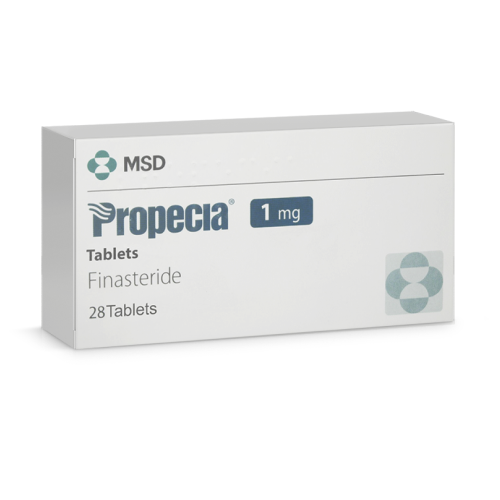
Propecia is a prescription medication used in the United Kingdom to treat male pattern hair loss (androgenetic alopecia). Its active ingredient, finasteride, works by reducing the levels of a hormone that shrinks hair follicles. Before going further, know this: Propecia will not work for everyone, but for many men, it can slow, stop, or even reverse hair thinning — provided it is taken consistently and with realistic expectations about benefits and side effects.
Why Propecia? The Decision to Start in the UK Context
It’s a Tuesday morning in London, and a 32-year-old man sits in his GP’s office, fingers unconsciously running over his thinning crown. He knows about Propecia, the “hair pill,” but he’s heard mixed reviews: friends swear by it, forums warn of side effects, online pharmacies promise discreet delivery. His question cuts through the noise: “Is this the right choice for me — and is it really worth it?”
For men in the United Kingdom, the decision to buy Propecia is not just about vanity. Hair loss, especially in younger men, can affect self-esteem, relationships, professional confidence, and even mental health. But starting Propecia is not a minor step — it’s a commitment to regular medication, with benefits that usually take months to show and risks that can be both physical and psychological.
The advertising language around “buy Propecia online” or “Propecia cheap” often skips over what matters most: who truly benefits from this treatment, who should avoid it, and what it feels like to actually be on this medication for months or years. The rest of this article is about those realities, not the promises.
Does Propecia Actually Work for Hair Loss — and Who Benefits?
Clinical studies and real-world experience both show: Propecia can slow or partially reverse male pattern baldness. But the results are not uniform, and the word “regrowth” rarely means a youthful mane. Instead, most men notice:
- Slowing or stopping further loss at the crown and mid-scalp (less so at the hairline)
- Modest regrowth in some areas, especially with early use
- No visible effect for a significant minority, even after a year of adherence
What patients often misunderstand is the timeline: improvement is gradual, sometimes frustratingly so. Shedding may even worsen in the first few months — a sign that weaker hairs are cycling out. Visible change, if it comes, usually appears by month six, with maximum benefit seen by one year. Stopping Propecia almost always leads to catching up with untreated hair loss within 6-12 months.
For men with significant thinning at the hairline, or with long-standing bald patches, expectations must be realistic: Propecia is unlikely to restore lost hair in those areas. Its main power is preservation, not transformation.
Propecia vs. Other Options: What Sets It Apart?
| Attribute | Propecia (Finasteride 1mg) | Minoxidil (Topical) | Hair Transplant Surgery |
|---|---|---|---|
| Mechanism | Blocks formation of DHT (dihydrotestosterone) | Stimulates hair follicles directly | Moves follicles from donor to bald areas |
| Effectiveness | 65-70% slow/stabilise, modest regrowth in some | Similar for stabilisation, lower regrowth rates | Immediate visible change at transplant site |
| Onset of Effect | 3-6 months (max by 12 months) | 2-4 months (max by 6 months) | Immediate, but full results after 6-12 months |
| Duration of Use | Long-term/daily for continued effect | Long-term/daily for continued effect | Permanent (with some loss over time) |
| Route | Oral tablet | Topical solution/foam | Surgical procedure |
| Prescription in UK | Yes | No (over the counter) | Specialist clinic only |
| Common Side Effects | Sexual (2-4%), mood, breast changes | Scalp irritation, unwanted facial hair | Scarring, infection, unnatural appearance |
| Cost (per year, typical) | £150–£300 (private, not NHS) | £60–£120 (OTC) | £3000–£7000 (one-off) |
| Buy Online? | Yes, with prescription (see below) | Yes, no prescription needed | No |
What does this mean for a man considering whether to buy Propecia in United Kingdom? Propecia is the only oral treatment officially approved for male pattern hair loss. It is convenient, discreet, and, for most, more effective at preserving hair than topical minoxidil alone. Unlike minoxidil, Propecia requires a prescription, adding a layer of safety and clinical oversight. But while minoxidil is available over the counter and can be combined with Propecia, only Propecia addresses the hormonal pathway (DHT) that drives most hereditary hair loss in men. Surgical options offer more dramatic results but at far greater cost and with more risks — and they often work best when combined with ongoing medication like Propecia to maintain results.
Finasteride in Propecia: The Science Behind the Pill
Finasteride, the active ingredient in Propecia, was originally developed to treat prostate conditions at a higher dose (5mg). For hair loss, a lower dose (1mg) is enough to block the enzyme 5-alpha-reductase, which converts testosterone into DHT — the hormone responsible for shrinking hair follicles in genetically susceptible men.
- DHT (Dihydrotestosterone)
- A potent male hormone that causes miniaturisation of scalp hair follicles in androgenetic alopecia.
Propecia’s targeted reduction of DHT distinguishes it from all other hair loss pills and topicals available in United Kingdom. This is why its benefits, side effects, and clinical profile differ not only from minoxidil but also from herbal supplements, biotin, and “hair vitamins” marketed online. Where those products offer general support or indirect effects, finasteride works via a direct hormonal pathway — which is why its effectiveness and risks are so closely studied.
For most men, the difference between Propecia and cheaper generics is the box and price — not the outcome on your scalp.
Taking Propecia: The Realities of Daily Use and What to Expect
Starting Propecia is not a one-off fix — it’s a daily routine. Missing doses occasionally is unlikely to matter, but stopping for weeks or months resets the clock. For hair preservation, consistency is everything.
- Take one 1mg tablet daily, with or without food.
- Choose a time you will remember — morning or evening both work.
- No “loading phase” or dose titration is required.
- It does not matter if you take it with food or on an empty stomach.
There is no advantage to taking more than 1mg daily. Higher doses increase the risk of side effects without proven extra benefit for hair loss. The only exception: men prescribed finasteride 5mg for prostate conditions, which is a different clinical scenario and not interchangeable with Propecia for hair loss.
Consistency is your friend. Keeping the pack at your bedside or setting a daily reminder helps. If you forget a dose, don’t double up — just continue the next day as normal.
Which Side Effects Matter Most with Propecia — and When to Act
The side effects that appear on forums can be alarming. Sexual dysfunction, depression, breast changes — but how common are these really, and what is worth worrying about? Clinical studies in United Kingdom and worldwide suggest that:
- Most men experience no side effects at all.
- Sexual side effects (reduced libido, erectile dysfunction, reduced ejaculate) affect around 2-4% of users, usually within the first months, and often resolve with continued use or stopping the drug.
- Mood changes and depression are reported but less clearly linked; evidence is mixed, but monitoring your wellbeing is important.
- Breast tenderness, enlargement, or lumps are rare (<1%), but always warrant medical review.
- Testicular pain, rash, or allergic reactions are uncommon but possible.
| Side Effect | How Common? | When to Seek Medical Advice? |
|---|---|---|
| Loss of libido | 2-4% | If persistent or distressing |
| Erectile dysfunction | 2-4% | If ongoing for more than a few weeks |
| Breast tenderness or lump | <1% | Any new breast symptoms |
| Mood changes / depression | Rare, frequency unclear | If you experience low mood, hopelessness, or suicidal thoughts |
| Rash / allergy | Rare | Immediately if widespread rash, swelling, or difficulty breathing |
In practice, most men tolerate Propecia well. Some notice a temporary dip in libido or mild performance issues, which often resolve. The number who experience persistent sexual side effects — known as “post-finasteride syndrome” — is hotly debated, with limited strong evidence but real patient reports. If you develop symptoms, stopping the drug almost always reverses them, but a small number of men report ongoing problems. This remains an area of active research.
doctor: “In my experience, the men who do best with Propecia are those who start with realistic expectations. They know both the benefits and the risks, and they’re comfortable stopping if side effects arise. We monitor anyone with mood changes, and I always encourage open discussion if anything feels off — no embarrassment necessary.”
When Not to Take Propecia: Absolute and Relative Contraindications
- You are female, especially if pregnant or may become pregnant — risk of harm to a male fetus is significant.
- You are under 18 years old — safety and effectiveness are not established in minors.
- You have a known allergy to finasteride or any ingredient in the tablet.
- Liver impairment — finasteride is processed by the liver; dose adjustment is not usually needed, but assessment is prudent.
- Current or recent diagnosis of prostate cancer — finasteride can alter PSA levels, masking some cancer markers.
- History of significant mood disorder — discuss with your GP before starting.
Women exposed to crushed or broken tablets should seek immediate medical advice. Propecia is not for use in female hair loss — if you are a woman experiencing thinning, consult your GP for alternatives.
Access, Cost, and Where to Buy Propecia in United Kingdom
Unlike minoxidil, you cannot buy Propecia without prescription in United Kingdom. This applies whether you visit your local pharmacy or look to order Propecia online. If you find a website offering “Propecia without prescription” or “cheap Propecia” for direct sale, be cautious: these are almost certainly unregulated imports, which may be counterfeit, unsafe, or illegal to import for personal use.
- Private GP or Dermatologist: Most NHS GPs do not prescribe Propecia for hair loss, as it is not covered by the NHS for this indication. Private practitioners can assess and prescribe legally.
- Reputable Online Pharmacies: Many UK-registered online pharmacies allow you to order Propecia after a remote assessment and prescription. Always check for GPhC registration (pharmacyregulation.org).
- High Street Pharmacies: If you have a private prescription, you can purchase Propecia in pharmacy settings like Boots, Lloyds, or independent chemists.
Price Range: Expect to pay £15–£30 per month for Propecia or generic finasteride 1mg, depending on brand, pack size, and pharmacy margin. Ordering Propecia online from a UK-registered pharmacy is usually cost-competitive.
Propecia is not reimbursed by the NHS for male pattern hair loss. Private medical insurance typically does not cover it either, as hair loss is considered a cosmetic issue. If cost is a concern, discuss generic finasteride with your prescriber — the active ingredient is identical, and generics are often more affordable.
Propecia FAQ: Real Questions from Patients in United Kingdom
- Can I buy Propecia in pharmacy without a prescription?
- No. In United Kingdom, Propecia (finasteride 1mg) requires a valid prescription from a UK-registered doctor. Any pharmacy selling without a prescription is acting outside the law, and you should avoid such sources for your safety.
- How do I order Propecia online safely in the UK?
- Use only UK-registered online pharmacies, which will require an online consultation and issue a prescription if appropriate. Look for GPhC registration and clear contact information. Avoid sites promising Propecia without prescription or “cheap Propecia” shipped directly from abroad.
- Is there any difference between Propecia and generic finasteride for hair loss?
- No clinically meaningful difference exists. Both contain finasteride 1mg and work identically. The main differences are branding, packaging, and sometimes price. Generic versions are usually more affordable and are widely prescribed in United Kingdom.
- How long do I need to take Propecia before I see results?
- Most men notice a slowdown in hair loss by 3-6 months, with maximum improvement by 12 months. If you see no effect after a year, further benefit is unlikely. Stopping Propecia will usually result in catch-up hair loss within several months.
- Are sexual side effects permanent with Propecia?
- For most men, any side effects resolve after stopping the medication. Rarely, some may experience persistent symptoms. This is called “post-finasteride syndrome” and is under active study, but it is not common. Always discuss persistent side effects with your doctor.
- Can I buy Propecia cheap from outside the UK?
- Importing prescription medicines for personal use from outside the UK is illegal. Any website offering to ship Propecia from abroad without prescription is risky and the product may be seized at customs. Stick to UK-registered pharmacies, which offer affordable Propecia legally and safely.
- Is Propecia covered by the NHS or insurance in United Kingdom?
- No. Hair loss is considered cosmetic, and Propecia is not an NHS benefit for this purpose. All costs are out-of-pocket. Your doctor or pharmacist can advise on affordable options, including generic finasteride.
- I missed a dose — should I double up?
- No. Just take your next dose as scheduled. Missing an occasional dose is unlikely to make a noticeable difference if you are generally consistent.
Sources / References
- Finasteride for Hair Loss – NHS
- Propecia: EPAR – European Medicines Agency
- Propecia Summary of Product Characteristics – EMC
- British Association of Dermatologists: Guidelines for the management of androgenetic alopecia, 2018
- General Pharmaceutical Council (GPhC)
- MHRA (Medicines and Healthcare products Regulatory Agency), UK
- Finasteride (Oral Route) – Mayo Clinic
- International Society of Hair Restoration Surgery. Practice Guidelines, 2022