- Home/
- Buy Lasix Without Prescription in the United Kingdom Online
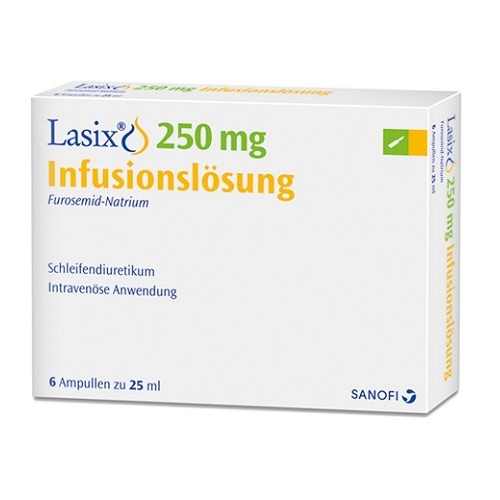
| Name of medication | Lasix |
|---|---|
| Main active compound | Furosemide |
| Category of use | Treatment of oedema (fluid retention) and hypertension |
| Strengths available | 20mg, 40mg, 500mg tablets; 20mg/2ml injection |
| Typical onset time | Within 1 hour (oral); 5 minutes (IV) |
| Duration of action | 4-6 hours (oral); 2 hours (IV) |
| Usual dosing frequency | Once or twice daily, depending on indication |
| Prescription requirement in UK | Yes, prescription-only medicine (POM) |
| Average cost in UK pharmacy | £2-£8 per pack (varies by strength and supplier) |
Lasix for oedema: A complete guide for patients in the United Kingdom
Lasix is an established treatment for fluid retention (oedema) and related conditions, with its active ingredient furosemide recognised by healthcare professionals and regulated by the Medicines and Healthcare products Regulatory Agency (MHRA) in the United Kingdom. It is available both in local pharmacies and through reputable online sources for those with a valid prescription. If you are seeking clarity about Lasix—what it can do, whether it suits your needs, and how to access it safely in the UK—this guide provides all the essential answers.
Oedema: How common is it and how is it experienced in the UK?
Oedema, or abnormal fluid retention in the body’s tissues, affects a significant portion of the adult population—particularly among those with heart, kidney, or liver conditions. According to the British Heart Foundation, in 2022, over 900,000 people in the United Kingdom were living with heart failure, one of the primary causes of chronic oedema. Oedema is not limited to cardiac issues; kidney disease, liver problems, and even some medications can contribute to its development. While it often leads to swelling in the legs, ankles, or abdomen, the impact can extend to mobility, comfort, and overall quality of life. Understanding that you are one among many facing this issue—regardless of age or background—can be reassuring. The encouraging reality is that with appropriate treatment, including medications like Lasix, most people see significant improvement in their symptoms and day-to-day functioning.
How Lasix targets fluid retention: The mechanism explained
Lasix works as a diuretic—commonly called a “water tablet”. Its active substance, furosemide, acts on the kidneys. Specifically, it blocks the reabsorption of sodium and chloride in a part of the kidney known as the loop of Henle. As a result, more salt and water are drawn into the urine and expelled from the body. For the patient, this means a noticeable reduction in swelling as excess fluid leaves the tissues. Most people begin to notice increased urination within an hour of taking a tablet, and a corresponding decrease in oedema, leg heaviness, and discomfort over hours to days. The physiological effect—removing fluid—is directly felt as relief from tightness, improved mobility, and, in some cases, easier breathing if fluid had accumulated around the lungs. This rapid, targeted action is why Lasix is often chosen for prompt management of fluid overload in both hospital and community settings.
How to know if Lasix is right for you: Scenarios and selection
| Your situation | Is Lasix suitable? | Reason |
|---|---|---|
| Chronic swelling in the legs due to diagnosed heart failure | Yes | Lasix is often first-line for heart failure-related oedema, as it quickly reduces fluid build-up and relieves symptoms. |
| Short-term ankle swelling after a long flight, no heart/kidney issues | Not usually | This type of oedema often resolves with movement and elevation; diuretics may not be necessary or helpful. |
| Fluid retention with chronic kidney disease, under specialist care | Potentially, under close monitoring | Lasix can be used, but kidney function and electrolyte levels must be checked regularly due to increased risk of side effects. |
| Swelling linked to liver cirrhosis | Frequently used, sometimes with other diuretics | Lasix helps reduce ascites (fluid in the abdomen); dosing may be adjusted and often combined with other medicines. |
| Currently pregnant or breastfeeding | Generally avoided | Lasix is not routinely recommended unless there are exceptional circumstances, as it can affect fluid balance in both mother and baby. |
This table helps clarify whether Lasix is appropriate based on your current health situation. If you do not have a diagnosis linked to chronic fluid overload, or if your swelling is mild and clearly due to a temporary cause (such as travel), other approaches may be safer and more effective. For those with ongoing, medically confirmed oedema, especially from heart, kidney, or liver causes, Lasix is commonly chosen—but always under a doctor’s guidance.
Using Lasix in everyday life: Practical guidance
- Timing: Take Lasix in the morning to avoid frequent night-time urination. If prescribed twice daily, your doctor may recommend a morning and early afternoon schedule.
- With or without food: Lasix can be taken either way, but always follow the specific instructions from your prescriber.
- Missed dose: If you forget a tablet, take it as soon as you remember—unless it’s close to your next scheduled dose. Never double up.
- What to expect: Increased urination, especially in the hours after taking the tablet. This is normal and indicates the drug is working. A reduction in swelling typically follows over 1-2 days.
- If it doesn’t work: If swelling doesn’t improve after several days, or if you notice sudden worsening of symptoms (rapid weight gain, breathlessness), inform your doctor promptly.
- Regular checks: Ongoing use requires periodic monitoring of blood pressure, kidney function, and electrolytes (like potassium and sodium), as Lasix can alter these.
- Alcohol and other medicines: Alcohol can increase the risk of dizziness. Always inform your doctor about all medicines you’re taking, including over-the-counter preparations and supplements.
Following these recommendations can help you get the greatest benefit from Lasix while minimising common issues. Clear communication with your healthcare provider is essential, particularly if your symptoms change unexpectedly.
Is Lasix safe for everyone? Contraindications explained
Lasix is not suitable in certain circumstances because of the potential risks it carries. These include:
- Severe allergy to furosemide or sulphonamides: Because a serious allergic reaction can occur if you have previously had reactions to these medicines.
- Very low blood volume or dehydration: Lasix can worsen these conditions, leading to dangerous drops in blood pressure or kidney damage.
- Severe low potassium or sodium: Furosemide may further reduce these electrolytes, increasing the risk of heart rhythm problems and muscle weakness.
- Acute kidney failure not responding to treatment: Lasix is not effective and may be harmful if the kidneys are not producing urine at all.
- Liver coma or pre-coma: Because fluid and electrolyte shifts can worsen neurological symptoms.
- Pregnancy and breastfeeding: Use only if your doctor deems it absolutely necessary, as potential risks to the foetus or infant must be weighed carefully.
Contraindications exist to prevent avoidable harm. Always share your full medical history with your prescriber so they can determine if Lasix is safe for you.
Possible side effects: What to expect and when to seek help
- Common (may affect more than 1 in 10): Increased urination, mild dehydration, dizziness (especially when standing up), changes in blood electrolyte levels.
- Less common (may affect up to 1 in 100): Muscle cramps, headache, hearing disturbances (with high doses), increased blood sugar or uric acid levels.
- Rare but serious: Severe allergic reactions, severe dehydration, confusion, abnormal heart rhythms.
Most mild side effects, such as thirst or minor dizziness, resolve with time or small adjustments in dose. However, if you experience sudden swelling of the face or tongue, severe rash, breathlessness, or loss of consciousness, these are medical emergencies. In such cases, immediately call 999 for emergency services in the United Kingdom.
Interactions with other medications: What to watch for
Lasix can interact with a range of common medicines. Key examples include:
- ACE inhibitors or angiotensin receptor blockers (for blood pressure): May cause excessive drop in blood pressure or worsen kidney function when combined with Lasix, especially at initiation.
- Other diuretics: Combining with additional water tablets raises the risk of dehydration and electrolyte imbalance.
- NSAIDs (e.g., ibuprofen): Can reduce the effects of Lasix and increase the risk of kidney problems.
- Digitalis preparations (for heart rhythm): Electrolyte changes from Lasix can heighten the risk of digitalis toxicity.
- Corticosteroids: Increased risk of low potassium when used together.
- Antibiotics such as aminoglycosides: Risk of hearing damage is greater if used with high-dose Lasix.
Always provide your doctor or pharmacist with a full list of medications and supplements you are taking. They can evaluate potential risks and advise whether any changes or extra monitoring are needed.
Alternatives to Lasix: When another option may be better
While Lasix is highly effective for many patients with significant fluid overload, it is not automatically the first or only choice for all forms of oedema. Other diuretics such as bumetanide or torasemide offer similar effects and may be preferred for patients who do not respond adequately or who experience unpleasant side effects with furosemide. Spironolactone, another type of diuretic, is often used alongside Lasix in cases of liver disease or resistant oedema. Non-pharmaceutical measures—such as compression stockings for mild leg swelling or adjusting medications that cause water retention—are sometimes more appropriate, particularly if oedema is mild or linked to a clear trigger. Lasix remains one of the most widely prescribed options for moderate to severe oedema, especially in cases linked to heart failure or chronic kidney disease, because its onset is rapid and its effects well understood. However, the ideal choice always depends on the cause of swelling, patient tolerance, and individual risk factors, which should be discussed with your healthcare provider.
How to buy Lasix in United Kingdom: Options, process, and cost
Lasix is a prescription-only medicine in the United Kingdom, regulated by the MHRA. This means you need a valid prescription to obtain it legally from any pharmacy. You can buy Lasix in pharmacy branches throughout the UK, or order Lasix online from registered UK-based pharmacies after an online or in-person consultation. Some online services offer discreet telemedicine assessments, allowing you to purchase Lasix without prescription paperwork by issuing a digital prescription after a quick health questionnaire—this is how many “Lasix without prescription” offers function within the law. If you are seeking Lasix cheap, online prices can be competitive, sometimes with lower dispensing fees compared to high-street pharmacies. However, always ensure the pharmacy is regulated by the General Pharmaceutical Council (GPhC).
| Cost item | Amount | Note |
|---|---|---|
| Doctor/Telemedicine Consultation | £0 – £35 | NHS GP is free; private online consultations vary |
| Prescription issuance (private) | £0 – £15 | NHS scripts are free in England for eligible groups; private scripts may incur fees |
| Medication cost (per pack of 28 tablets) | £2 – £8 | Depends on strength (20mg/40mg/500mg) and supplier |
| Standard delivery (online) | £2 – £5 | Typical for registered UK online pharmacies |
| Total | £4 – £63 | Lowest is NHS pick-up; highest is full private/online route |
To buy Lasix online in United Kingdom safely, check the pharmacy’s credentials and always verify they are GPhC-registered. If you order Lasix online and opt for express delivery, additional fees may apply. Some people look for Lasix without prescription online, but reputable services will still involve a health check before dispatch. For those seeking Lasix cheap or affordable, comparing both in-pharmacy and online pharmacy offers is worthwhile. Remember, Lasix in United Kingdom should always be sourced from a legitimate supplier to avoid counterfeit risks.
Lasix: Frequently asked commercial and safety questions
- Can I purchase Lasix without a prescription? — In the UK, Lasix is classified as prescription-only. However, many regulated online pharmacies provide an integrated consultation, allowing you to buy Lasix after a short health screening, effectively streamlining the process.
- How do I know if Lasix in pharmacy is genuine? — Always use pharmacies registered with the General Pharmaceutical Council. Look for the GPhC logo and verify the listing on their official site.
- Are there risks to buying Lasix online? — The main risk is using unregulated sources, which may provide counterfeit or substandard medicines. Stick to UK-registered services, and remember, reputable sites will require a consultation.
- Is Lasix affordable for long-term use? — For many NHS patients, Lasix is available at standard prescription charges or free for eligible groups. Private and online prices are usually modest, but delivery and consultation fees can add up.
- What do I receive when I order Lasix online? — Typically, you receive the medication in sealed packaging, patient information leaflets, and, in some cases, support via email or phone from the dispensing pharmacy.