- Home/
- Buy Antabuse in Online Pharmacy – Fast Delivery in United Kingdom
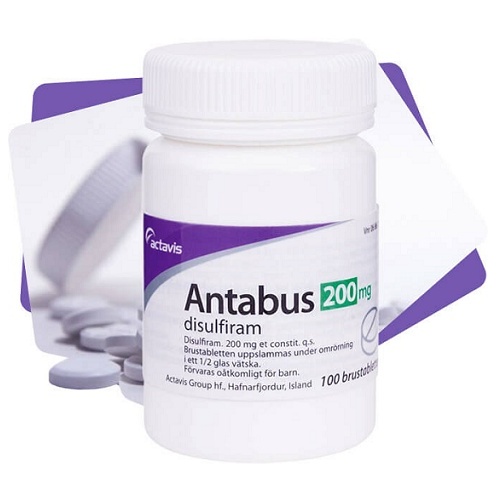
Can Antabuse be purchased without a prescription in United Kingdom?
Antabuse (Disulfiram) cannot be legally purchased without a prescription in United Kingdom. It is a prescription-only medication regulated by the Medicines and Healthcare products Regulatory Agency (MHRA). Buying or possessing Antabuse without a valid prescription is unlawful and may be unsafe.
Key Takeaways: Antabuse in United Kingdom
- Prescription Required: You must have a valid prescription from a UK-registered doctor to obtain Antabuse from any licensed pharmacy or online service.
- Who Is It For? Antabuse is suitable for adults with alcohol dependence who are motivated to abstain and have discussed treatment goals with a specialist.
- When to Expect Results: The deterrent effect begins within 12 hours after the first dose and lasts for at least several days after stopping.
- Key Safety Issue: Consuming alcohol while on Antabuse can result in a severe and potentially life-threatening reaction—strict avoidance of all alcohol (including hidden sources) is essential.
- Most Important Benefit: Provides a powerful psychological and physiological deterrent to relapse in motivated individuals.
- Seek Immediate Medical Advice: If you experience chest pain, difficulty breathing, severe headache, or any unusual symptoms after taking Antabuse, contact emergency services.
How Does Antabuse Work in the Body? A Detailed Pharmacology Overview
Antabuse, whose active ingredient is Disulfiram, belongs to the class of aldehyde dehydrogenase inhibitors. Its mechanism of action is unique: instead of directly reducing cravings, it disrupts the body’s metabolism of alcohol. Normally, alcohol (ethanol) is broken down in the liver—the first step converts ethanol to acetaldehyde (a toxic intermediate), and the second step, mediated by the enzyme aldehyde dehydrogenase, rapidly converts acetaldehyde to harmless acetic acid.
Disulfiram irreversibly inhibits aldehyde dehydrogenase. If a person consumes alcohol while taking Antabuse, acetaldehyde rapidly accumulates in the bloodstream. This accumulation causes a pronounced and unpleasant reaction: facial flushing, pounding headache, nausea, vomiting, chest pain, palpitations, difficulty breathing, and sometimes confusion or hypotension. The reaction can start within 10–30 minutes and may last several hours.
Metaphor: Think of Antabuse as turning off the body’s alcohol “detox filter.” Any alcohol consumed becomes a toxin, leading to rapid and distressing symptoms that strongly discourage further drinking.
Key Fact: Disulfiram is not a “cure” for alcohol dependence, nor does it reduce cravings directly—it serves as a deterrent by creating immediate, negative reinforcement.
Myth: Antabuse prevents you from getting drunk if you relapse.
Reality: Antabuse does not block the intoxicating effects of alcohol. Instead, it causes severe illness if alcohol is consumed, which can be dangerous.
Expert Commentary: Why Expectations Matter More Than You Think
In my clinic, I find many patients believe that simply starting Antabuse guarantees they’ll avoid alcohol. In reality, the success of treatment hinges on their motivation to remain abstinent and their understanding of how the medication works. Often, individuals underestimate the severity of the reaction if they drink, or overlook hidden alcohol sources in food, medicine, or personal care products. A common oversight is failing to discuss with family or close contacts that they are on Antabuse, which increases accidental exposures. One question rarely asked—but vital—is: “What support systems do I need in place to make this treatment successful?” Patients benefit most when we address these realities before starting therapy.
How Should Antabuse Be Taken? Dosage, Duration, and Administration
Standard Dosage: In United Kingdom, typical starting doses for Antabuse are 200–500 mg orally once daily, generally in the morning. After 1–2 weeks, the maintenance dose is lowered to 100–200 mg daily, tailored to individual response and tolerability (NHS).
- Maximum daily dose: 500 mg (do not exceed this without specialist advice).
- Administration: Tablets must be swallowed whole with water. Some brands can be halved if scored, but never crushed or chewed without checking the manufacturer’s leaflet.
- Elderly or patients with mild liver/kidney impairment: Initiate at lower doses (often 100 mg daily) and titrate cautiously under close supervision.
- Timing: Take at the same time each day, ideally with breakfast to improve adherence.
- Onset and Duration: The deterrent effect begins around 12 hours after the first dose and continues for up to 7 days after the last dose.
Important: Antabuse therapy should never be started until at least 24–48 hours after the last alcohol intake to avoid acute reactions.
Interaction with Food, Alcohol, and Lifestyle Products: What to Avoid
- Alcohol: Strictly prohibited in any form, including hidden sources in sauces, desserts, vinegar, some medications, mouthwashes, and aftershaves. Even topical or inhaled alcohol can trigger a reaction.
- Food: Food has no significant effect on absorption. However, taking Antabuse with food may reduce stomach upset for sensitive individuals.
- Grapefruit Juice: No clinically significant interaction with disulfiram, but always check with your doctor about other medications.
- Fatty Meals: Do not delay or enhance absorption of Antabuse significantly, but consistency in daily routine is advised.
Compatibility Checklist: Antabuse with Common Products
| Type of Product | Can It Be Combined? | Possible Consequences |
|---|---|---|
| Alcohol (any source) | Strictly NO | Severe reaction: flushing, vomiting, collapse |
| Paracetamol | Yes | No significant interaction |
| Nitrates (e.g., GTN spray) | Strictly NO | Risk of severe hypotension |
| Antidepressants | Caution | Possible additive CNS effects: monitor for drowsiness |
| Warfarin | Caution | Increased anticoagulant effect—monitor INR closely |
Who Should Not Take Antabuse? Absolute and Relative Contraindications
- Absolute Contraindications:
- Current or recent (<48 hours) alcohol intake
- Known hypersensitivity to disulfiram or excipients
- Severe liver impairment (acute or decompensated chronic liver disease)
- Severe heart disease (particularly history of arrhythmias, heart failure, or recent myocardial infarction)
- Psychosis or severe mental illness
- Pregnancy and breastfeeding
- Relative Contraindications (use only with specialist approval):
- Mild to moderate liver or kidney impairment
- History of epilepsy
- Diabetes mellitus (risk of hypoglycaemia with vomiting)
- Older age (start with lower doses)
- Use of medications that interact (see interactions table above)
Why? The risk of a dangerous reaction is highest in those with severe liver, heart, or psychiatric conditions. Disulfiram itself can rarely cause liver toxicity even in those without pre-existing disease.
What Side Effects Are Most Common with Antabuse?
Side effects with Antabuse are generally predictable and fall into categories by frequency:
- Very Common (>1/10):
- Fatigue, drowsiness
- Metallic or garlic-like taste in the mouth
- Common (1/100 to 1/10):
- Headache
- Skin rash or acne
- Impotence
- Gastrointestinal upset—nausea, vomiting (especially if alcohol is consumed)
- Rare (1/1,000 to 1/100):
- Liver enzyme elevations or jaundice (monitor liver function regularly)
- Neurological symptoms—peripheral neuropathy (tingling, numbness)
- Allergic reactions (swelling, hives)
- Very Rare (<1/10,000):
- Severe liver failure
- Psychosis, confusion, memory loss
- Optic neuritis (visual changes)
If you notice any yellowing of the skin or eyes, persistent abdominal pain, unexplained rash, or symptoms of an allergic reaction, stop taking Antabuse and seek immediate medical attention.
Common Pitfalls: Mistakes Patients Make When Using Antabuse
- Starting Antabuse too soon after drinking alcohol: This can provoke a dangerous reaction. Always wait at least 24–48 hours after the last drink and check with your doctor first.
- Ignoring hidden alcohol sources: Patients often overlook alcohol in medications (e.g., cough syrups), foods, or even cosmetics. Carefully read labels and ask a pharmacist if unsure.
- Stopping Antabuse abruptly without support: Discontinuing suddenly, especially in the early stages, increases the risk of relapse. Always involve your treatment team when planning to stop.
- Not communicating with family/household: Others may inadvertently expose you to alcohol-containing products. Let close contacts know you are on Antabuse.
- Doubling up after missed doses: Taking extra doses to “catch up” increases side effect risk and does not enhance the deterrent effect.
- Failing to attend liver monitoring appointments: Liver function tests are important—missing them can delay detection of rare but serious complications.
How Does Antabuse Compare to Other Treatments for Alcohol Dependence?
| Medication | Mechanism | Onset Speed | Duration of Effect | Common Side Effects | Estimated Cost/Month* |
|---|---|---|---|---|---|
| Antabuse (Disulfiram) | Aldehyde dehydrogenase inhibitor (deterrent) | 12 hours after first dose | 7 days after last dose | Fatigue, metallic taste, rash | £20–£40 (private); NHS prescription charge applies |
| Acamprosate | Glutamatergic modulator (reduces cravings) | Within days | Effect lasts while taking | Diarrhoea, abdominal pain, headache | £30–£50 (private); NHS prescription charge applies |
| Naltrexone | Opioid antagonist (reduces reward) | Within 1–2 hours after dose | Effect lasts while taking | Nausea, insomnia, anxiety | £40–£60 (private); NHS prescription charge applies |
*Prices vary by provider and region. NHS prescription charge is £9.65 per item (2026); private pharmacy prices may differ.
Bottom line: Antabuse is the only medication in United Kingdom that acts as a direct deterrent by making alcohol consumption physically unpleasant, while alternatives like acamprosate and naltrexone reduce cravings or alcohol’s reward effect.
Step-by-Step: How to Obtain Antabuse in United Kingdom
- Step 1: Schedule a Consultation. Book an appointment with your GP or an addiction specialist—either in person or via an approved online/telehealth provider.
- Step 2: Medical Assessment. Your doctor will assess your medical history, perform blood tests (especially for liver and kidney function), and discuss your treatment goals and readiness for Antabuse.
- Step 3: Written Prescription. If suitable, you will receive a prescription for Antabuse—either electronically or as a paper script.
- Step 4: Pharmacy Fulfilment. Take your prescription to a licensed community pharmacy or an MHRA-approved online pharmacy. Present valid ID as required.
- Step 5: Ongoing Support. Attend follow-up appointments for monitoring, support, and dose adjustments; regular blood tests (especially liver function) may be advised.
Note: Buying Antabuse online is only legal if the pharmacy is accredited in United Kingdom and you have a valid prescription. Avoid overseas “no prescription” sites.
Pharmacokinetics: How Is Antabuse Processed in the Body?
- Absorption: Rapidly absorbed from the gastrointestinal tract after oral administration.
- Metabolism: Primarily metabolised in the liver to diethyldithiocarbamate and other metabolites; some metabolites may contribute to the deterrent effect.
- Half-life (T1/2): Ranges from 60–120 hours, depending on individual liver function.
- Elimination: Mainly via the urine as metabolites; some via bile and faeces.
Implication: The long half-life means the deterrent effect persists for several days after the last tablet.
How Does Antabuse Affect Special Patient Groups?
- Elderly: Start with lower doses and monitor closely for neuropsychiatric and hepatic side effects.
- Liver or Kidney Disease: Use only with extreme caution and specialist supervision. Risk of toxicity is increased.
- Pregnancy and Breastfeeding: Not recommended; disulfiram passes into breast milk, and safety in pregnancy has not been established.
- Driving and Machinery: Drowsiness and impaired concentration are possible. Do not drive or operate heavy machinery until you know how Antabuse affects you.
- Fertility: No robust evidence of impact, but severe alcohol reactions could indirectly affect reproductive health.
What’s the Difference Between Branded and Generic Antabuse in United Kingdom?
Both original Antabuse and generic disulfiram are available in United Kingdom. Generics contain the same active ingredient and must meet strict MHRA quality standards, but may have different excipients (inactive fillers or binders).
- Excipient Sensitivity: If you have allergies, check the patient leaflet for all ingredients. Generics are generally as effective as branded Antabuse and often cost less.
- Cost: Generic disulfiram is usually more affordable than the branded version, especially for private prescriptions.
- Appearance: Tablets may look different (e.g., colour, engraving), but packaging must include the manufacturer’s name and a UK product licence number.
How Can You Buy Antabuse in United Kingdom Safely?
To buy Antabuse in United Kingdom safely, always use a pharmacy registered with the General Pharmaceutical Council (GPhC). Legitimate online pharmacies display the “Registered Pharmacy” logo and require a prescription. You can order Antabuse through your local pharmacy or a verified online provider after a doctor’s assessment.
- Red Flags: Avoid sites offering Antabuse without prescription, “cheap” Antabuse, or those based outside the UK that do not require medical review.
- Safe Practices: Only purchase Antabuse from pharmacies that verify your identity and prescription. If in doubt, check the pharmacy’s status on the GPhC website (GPhC).
How to Identify Genuine Antabuse and Avoid Counterfeit Medicines
- Original Packaging: Should include UK-specific labelling, batch number, expiry date, and the manufacturer’s details. Box and blister packs are tamper-evident.
- Tablet Features: Antabuse tablets are usually white or off-white, round, and may be scored. Generics may vary in shape or colour but must carry the product licence code (PL number).
- Security Features: Many UK products include a hologram, security strip, or QR code for authentication. Counterfeit products often lack these or have spelling errors or poor print quality.
- Price: If the price is “too cheap,” especially on non-UK sites, it’s likely counterfeit or substandard.
- Generics vs Branded: Both must meet the same safety and efficacy standards. Generics offer a safe and affordable alternative to branded Antabuse.
Quality Assurance: What Should Real Antabuse Look Like?
- Tablet: White to off-white, biconvex, round, often scored for splitting (depending on brand).
- Blister: Clearly marked with drug name, strength, and batch number.
- Box: Includes full product licence number (PL), manufacturer’s name and address, expiry date.
- Leaflet: Must be in English, describing use, dosage, side effects, and MHRA warnings.
- Special Features: Look for holographic sticker or QR code (where applicable).
If in doubt, ask your pharmacist to verify authenticity.
Online Pharmacy Safety in United Kingdom: How to Avoid Unsafe Sellers
With the growth of online pharmacies, patient safety is a major concern. In United Kingdom, all legitimate online pharmacies must:
- Be registered with the GPhC (look for the green “Registered Pharmacy” logo).
- Require a valid prescription for Antabuse.
- Display a UK address and contact information.
- Offer pharmacist advice and support.
Warning signs of unsafe sellers:
- Offering Antabuse without prescription or a “quick online form.”
- No registration number or verification on the GPhC website.
- Prices far lower than UK averages or shipping from outside the UK/EU.
- No clear contact information or returns policy.
Using a non-accredited pharmacy risks receiving counterfeit, expired, or dangerous products. Counterfeit Antabuse may not contain the correct ingredient, may have unsafe impurities, or contain no active drug at all.
Psychological Support: Alcohol Dependence Is Manageable—You Are Not Alone
Alcohol dependence affects thousands of people in United Kingdom every year. You are not alone—seeking help is a sign of strength, not weakness. Many find that discussing their journey with a partner, support group, or mental health professional leads to better outcomes alongside medication like Antabuse.
What Should I Do If Antabuse Does Not Work as Expected?
If you find yourself struggling with continued cravings or accidental alcohol exposure while on Antabuse, speak to your doctor. Medication is most effective when combined with psychological and social support. Sometimes, a different therapy (such as acamprosate or naltrexone) may be more suitable, or additional counselling may be recommended.
Antabuse Overdose: Emergency Steps in United Kingdom
- Stop taking Antabuse immediately.
- Contact NHS emergency services (dial 999) or go to the nearest A&E department.
- Tell the medical staff the exact dose and time taken, and whether alcohol was also consumed.
- Do not attempt to induce vomiting unless advised by a healthcare professional.
- Bring the medication packaging and leaflet to the hospital.
Questions Patients Often Ask Doctor About Antabuse Therapy
- How soon after starting Antabuse will I be protected against alcohol relapse?
- Usually, the deterrent effect develops within 12 hours of the first dose. However, psychological support and personal motivation remain crucial throughout treatment.
- If I accidentally consume a product containing alcohol, what should I do?
- Stop using Antabuse and seek immediate medical attention—especially if you develop flushing, chest pain, or breathing difficulties. Early intervention can prevent serious complications.
- How often do I need to see my doctor while taking Antabuse?
- In the first months, reviews may be weekly or fortnightly to monitor liver function, adherence, and support needs. Once stable, follow-up intervals can be lengthened, but regular check-ins are essential.
- What if I miss a dose?
- Take the next scheduled dose—do not double up. Consistency is important, but a single missed dose will not eliminate the deterrent effect immediately.
- Can I travel with Antabuse?
- Yes, but keep it in its original packaging with your prescription. Be vigilant for hidden alcohol in foreign foods and medicines, and research local medical support in advance if travelling abroad.
- Does Antabuse interact with other medicines I’m taking?
- Some drugs can increase side effect risks or alter effectiveness—always provide your doctor and pharmacist with a complete medication list.
- Will Antabuse affect my mood or mental health?
- Some people experience mood changes, sleep disturbance, or anxiety. Report any significant changes to your care team promptly.
Antabuse/Disulfiram: Technical Reference Table
| Parameter | Value |
|---|---|
| Active Ingredient | Disulfiram |
| Available Strengths | 200 mg, 400 mg (varies by manufacturer; 100 mg available as generic) |
| Formulation | Oral tablet |
| Onset of Action | 12 hours after first dose |
| Duration of Deterrent Effect | Up to 7 days after last dose |
| Storage | Store at room temperature, protect from moisture |
| Prescription Status (UK) | Prescription only (POM) |
Professional Clinical Assessment: When Is Antabuse the Right Choice?
In my experience, Antabuse is best suited for individuals who have already achieved initial abstinence and are highly motivated to remain alcohol-free. It can be an especially effective tool when there is strong social support and transparent communication with family or carers. Antabuse may not be ideal for those with severe liver or cardiac conditions, or for people who struggle with memory or insight, as the risk of accidental exposure or non-adherence increases. For patients with ongoing cravings or high relapse risk, medications that directly reduce cravings (like acamprosate or naltrexone) may be preferable. I always reassess treatment choice regularly, balancing the psychological deterrent against medical risks and the patient’s evolving circumstances. Antabuse is a powerful adjunct to comprehensive therapy, but it should never be the sole approach to overcoming alcohol dependence.
Frequently Asked Questions: Antabuse in United Kingdom
- Can I buy Antabuse online in United Kingdom?
- Yes, but only from pharmacies registered with the General Pharmaceutical Council and only with a valid prescription. Sites offering Antabuse without prescription are illegal and potentially unsafe.
- Is it safe to order Antabuse from overseas?
- No. Importing prescription medicines without a UK prescription from unregulated sources is illegal and carries significant safety risks, including counterfeit products.
- How much does Antabuse cost in pharmacy in United Kingdom?
- Private prices typically range from £20–£40 per month, while NHS patients pay the standard prescription charge (£9.65 per item as of 2026).
- Can Antabuse be purchased cheap or at a discount?
- Generic disulfiram is generally more affordable than branded Antabuse. However, beware of sellers offering Antabuse “cheap” without prescription, as these are often unsafe.
- Can I get Antabuse without prescription in United Kingdom?
- No, Antabuse is strictly prescription-only in United Kingdom. Obtaining it without a prescription is both illegal and unsafe.
- How long do I need to take Antabuse?
- Duration varies; many patients use it for 3–12 months, sometimes longer, depending on personal progress and doctor recommendations.
- Does Antabuse interact with common medicines?
- Yes, it can interact with warfarin, phenytoin, certain antidepressants, and others. Always disclose all medicines to your doctor and pharmacist.
- What happens if I drink alcohol while on Antabuse?
- You will likely experience a rapid and severe reaction—including flushing, nausea, vomiting, chest pain, difficulty breathing, and potentially collapse. This can be life-threatening and requires immediate medical attention.
- Do I need regular liver tests while on Antabuse?
- Yes. Baseline and periodic liver function tests are standard to monitor for rare but serious side effects.
- Can I stop Antabuse suddenly?
- Always consult your doctor before stopping. The deterrent effect persists for up to a week after the last dose.
References / Sources
- NHS: Disulfiram for alcohol dependence. Accessed 2026. https://www.nhs.uk/medicines/disulfiram/
- MHRA (Medicines and Healthcare products Regulatory Agency). Accessed 2026. https://www.gov.uk/government/organisations/medicines-and-healthcare-products-regulatory-agency
- PubMed: Garbutt JC, et al. Efficacy and safety of disulfiram for alcoholism: a meta-analysis of randomized controlled trials. 2023. https://pubmed.ncbi.nlm.nih.gov/
- EMA: Disulfiram assessment report. Accessed 2026. https://www.ema.europa.eu/en
- Mayo Clinic: Disulfiram (Oral Route) Description and Brand Names. Accessed 2026. https://www.mayoclinic.org/drugs-supplements/disulfiram-oral-route/description/drg-20071434
- GPhC (General Pharmaceutical Council): Pharmacy registration and advice. Accessed 2026. https://www.pharmacyregulation.org/
- WHO Model List of Essential Medicines, 2025. https://www.who.int/teams/health-product-policy-and-standards/essential-medicines-lists